To kick off our ongoing interview series, we have a vibrant guest who is creative, innovative, and a whole lot of fun. They have been in the burlesque scene since 2008 and has continued to create mind tickling experiences and innovate and inspire the arts scene. Known as The Technicolor Dream, hailing from NYC/New Orleands/Nashville, welcome to the spotlight, Grandmafun!
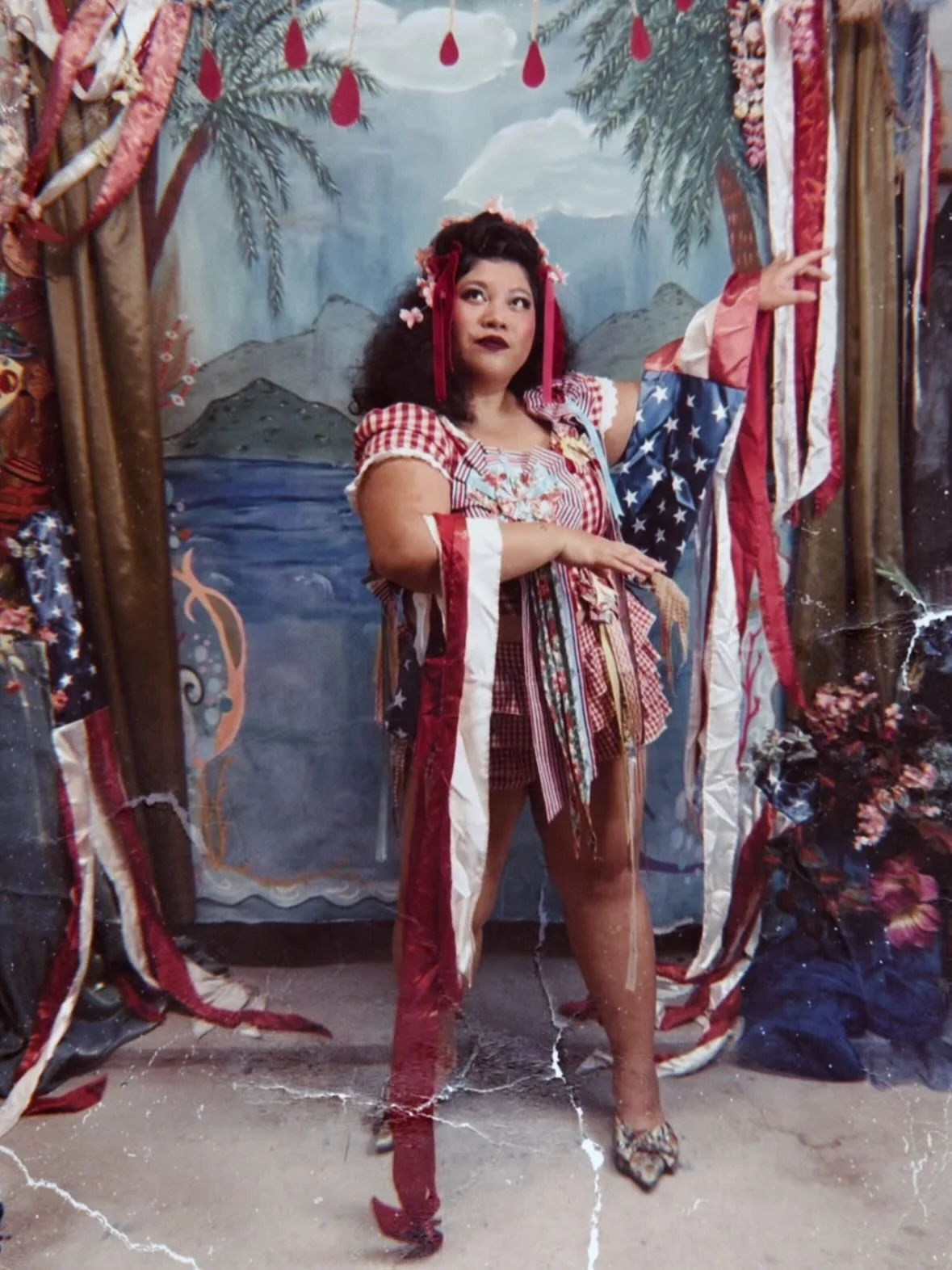
Grandmafun, self portrait
What first drew you to burlesque, and what made you stay?
I was always fascinated by technicolor MGM films and the portrayal of "oriental/exotic others" of the South Pacific for American audiences. I stayed because I wanted to take those stereotypes and own it coming from an immigrant POV. I saw how quickly if there is no proper representation or a watchdog, someone will re-write our narratives if we aren't careful or cognizant without our culture bearers there we will be forced into silence. I saw too much blatant micro aggressive racism, I wanted to walk into the room as the cherry picked American version and see how they can perceive me then when it is in front of their face cause I'm no longer a figment of imagination, I'm actively confronting them in real time.
How would you describe your performance style, and how has your cultural background shaped the artist you are today?
Unhinged, erratic, sensual, and no direction just vibes - my Filipino identity has always been front facing throughout my burlesque career, it's been designed that way since the beginning.
What does being an AANHPI performer in burlesque mean to you personally?
It means proper representation and not what is expected of us in the AANHPI diaspora. I wanted to show we contain multitudes and we are not just one lane of performance type. I wanted to just show up consistently and absurdly as best as I can.
Were there performers, artists, or family/cultural influences that inspired your creative path?
My cousin, John Glenn Sunga who was a drag performer back in the Philippines and Japan. He also was responsible for the drag scene in Malate back in the 90s and owned and operated his LGBTQ+ bar called Blue Cafe. That side of my family, the Sungas are all creative and do a lot of performance art/dance theater.
Dame Cuchifrita, NYC Indonesian burlesque performer and part of Brown Girls Burlesque who encouraged me with their out of the box style of burlesque performances and heavily intricate costumes and style and explored a lot of Southeast Asian experience and introduced me to other performance artists like Narcissister.
Rosie Herrera of Rosie Herrera Dance Theatre, her body of work is visually stunning, thought provoking, and hilariously dark.
Madonna, as a child I used to watch her concerts and was in awe of her elaborate costumes and set design. I could go on and on because I'm influenced by so many but it's been performers and artists who aren't afraid to look insane and have always been ahead of their time.
Did you see yourself represented in burlesque when you first started? How has that changed over time?
No, and if there was I may not have known about them at the time other than Dame Cuchifrita. I started back in 2008 and seeing where it is now, it's incredible to watch because it wasn't too long ago when it was like you can count all of us on one hand. When I dove into burlesque legends, I was all but happy to know that Tura Satana represented Filipina-Japanese burlesque and she influenced a lot of Grandmafun. She was such a powerhouse and our upbringings were similar in a way where terrible things happened to us in our youth but that didn't stop us. For Tura, she avenged each and every one of the men who assaulted her, created a girl gang and taught them self-defense, she was a B movie star, Elvis asked to marry her and she said nah but kept the ring. Her look was everything, so hard and tough - she was the epitome of a bad-ass babe.
What’s one act you’re most proud of, and why?
My Hot Dog Lady performance art piece that I created for a fringe like festival here in Nashville called Kindling Arts Fest. It's part of my introspective series called Dreamland REvisited ver.forever. I'm proud of it because I feel it encapsulates my entire Grandmafun, the burlesque performer experience and tackling the complicated histories of cabaret, cultural appropriation and the source of where all that comes from. I built my own set design, visual art, costuming to tell a subversive spin on Filipino Human Zoos akin to a dying animatronic at a defunct tiki-esque room. I was inspired by bad island souvenir art you would find discarded at a thrift shop and I performed to a chopped and screwed Elvis Presley soundtrack of songs. The layers and easter eggs I put in it are like Taylor Swift levels and I really enjoy that part of the process. I want the right person in the audience to be in constant discovery mode.
How do you want audiences to feel after seeing you perform?
Anything - happy, upset, confusion. I want them to just feel.
What stereotypes or expectations do you challenge through your work, both within and outside burlesque?
I function in both, I don't think I know how to separate the two. I'm always challenged just by the nature of who I am and what I represent. It's part of my story and journey. I noticed early on that as an immigrant, you are already labeled and I wanted to break out of that and I found that if you are to break out of that you would have to be an artist of some sort. There was always this need to perform and the level of respect you would get out of performing depends on what you decided what your path was going to be. I didn't want to be invisible or disappeared as an x immigrant into the system so I chose to be an exaggerated version - I did not want to blend in, totally the opposite of the model minority.
What conversations do you wish the burlesque community had more often about race, identity, and inclusion?
For me, respectability politics has got to go - we need real conversation that includes the ugly parts we don't like to talk about. I think it's dismissive, you can't tie everything up in a bow because that's now how the chain of events occurred historically. We can't be inclusive if it isn't the entirety of the WHOLE experience. I always say, two things can be true, they can exist in the same timeline it's just what you do with that information you previously did not have.
What has your experience been like finding community within burlesque?
The right people will orbit around you and that's how I found my community, discernment is a powerful thing!
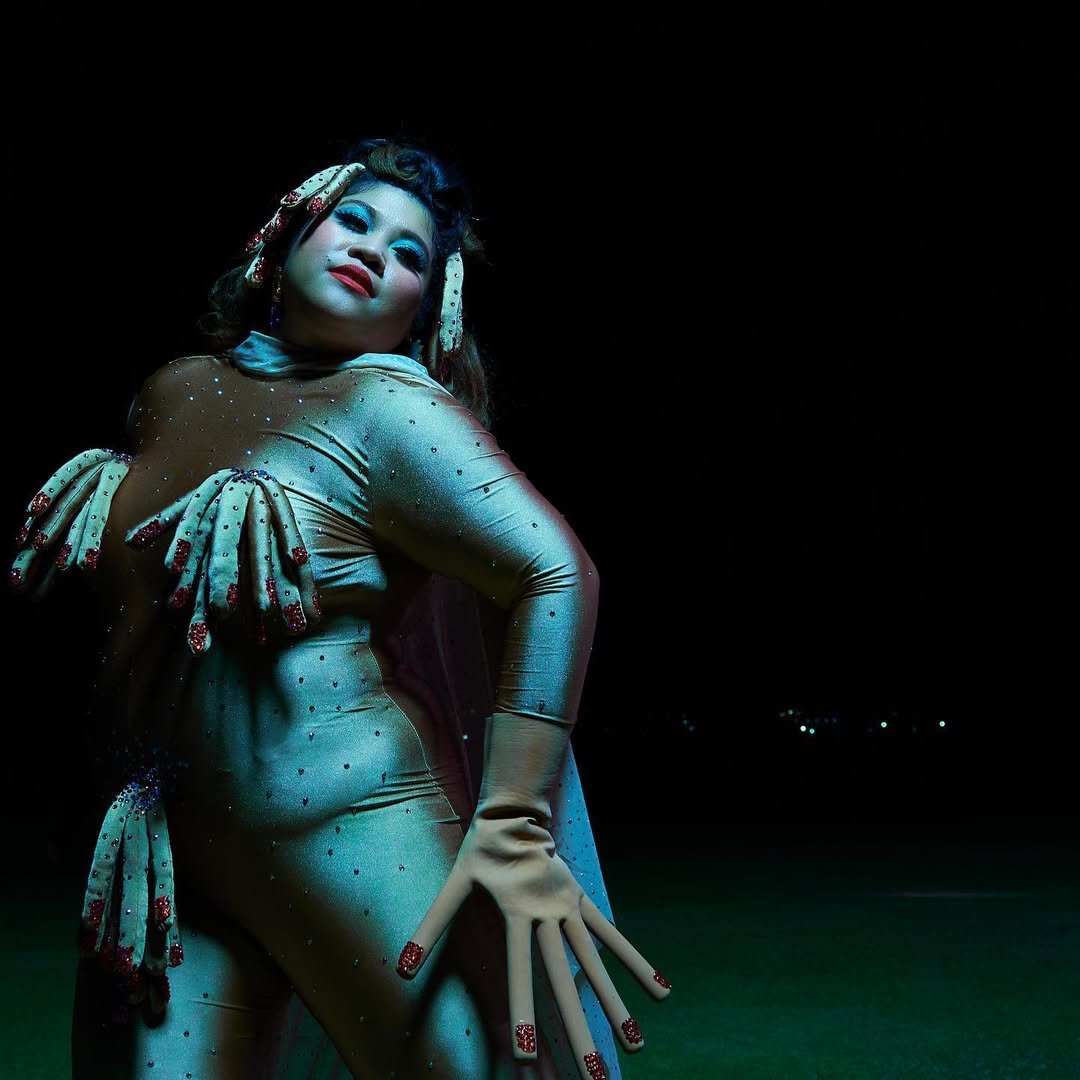
Photographer: Bexx Chin
Who are some AANHPI performers, producers, or artists people should know about right now?
I have been following a bunch from all across platforms of visual arts, music, performance etc. Folks like Kulintang Dialect and House of Gong have been really awesome to follow, Parangal Dance and their dedication to indigenous culture bearers and folk dancing.
Anito Soul, visual artist and musician who’s doing some really cool work
Gingee, amazing Filipina DJ and musician
Ruby Ibarra and the folks over at Bolo Music Group
What advice would you give to newer AANHPI performers entering the scene?
Don't be afraid of failing, you need to, trust me. Also, make an effort on honing your own voice and vision. Die a thousand deaths and birth just as many. Don't forget about what brings you joy and find your lighthouse so you have something to tether to when you've gone too far out, you can always return back.
What changes would you like to see in the burlesque industry over the next decade?
The changes? Break up the monotony, WE NEED VISIONARIES, not the same style and it's temu versions of the real thing. BE INNOVATIVE, challenge yourself to be different. Stop following a format and formula of what you think is success. Artists are supposed to break and challenge the status quo and we are the DREAMERS. Be flexible. Just because you aren't shining now does not mean you won't later.
How can audiences better support BIPOC and AANHPI performers beyond social media?
Show up, share, involve us in things outside of the burlesque world. A lot of us are also professionals in all kinds of fields and it can be applicable.
What’s something people often misunderstand about burlesque or about you as a performer?
Most folks I feel now are more educated than they were many years ago due to social media and the amount of burlesque has been revived the past few decades now. I think the one thing they may misunderstand is that burlesque is not necessarily one type that there are many styles and avenues of accessibility of burlesque. I think the only thing folks misunderstand about me as a performer is why I would actively choose a name like Grandmafun but that's the fun part about it - I love how nonsensical it all is. It creates a lore and story telling that I willfully ignore, haha.
What keeps you inspired creatively, and what has burlesque taught you about yourself?
Day to day events and being in constant discovery mode, I realize burlesque taught me to regulate the big emotions I feel. It helps me streamline and break it apart. I feel inspired by everything. Anything can set me off - a day at the symphony or a sandwich.
Favorite pre-show ritual, lucky charm, or backstage essential?
Doing my makeup is my favorite pre-show ritual, lucky charm is glitter and blue eyeshadow, and a tampon.
Dream venue or performer that you’d love to share a stage with?
My dream venue is in Barcelona, Spain at the Palau de Musica Catalana - talk about the dreamiest stage in the universe!!! Also, the Castle Theater in Cesky Krumlov. Bjork and David Byrne would be the folks I would dream to share a stage with.
What projects, performances, or events are you excited about right now, and where can people support your work?
Currently it's been Dreamland REvisited ver.forever - the last 4 years I have been writing, painting, creating a series of photos, films, and live dance theater pieces. Right now all of it is happening in Nashville but it's something I'll keep growing as long as I am breathing.
What does taking up space onstage mean to you, and what legacy do you hope to leave within burlesque?
Taking up space onstage is to be seen and I'm not hiding, I will take up that space, every inch of it. My legacy? I'm exactly who I said I was.
Behind The Fan is a recurring Q&A series curated by Pinay Grigio, featuring AANHPI burlesque artists, performers, producers, and creatives through the same set of 20 questions. Each interview offers a glimpse into the person behind the performance, exploring artistry, identity, inspiration, representation, and the unique perspectives they bring to the world of burlesque. Every interview reveals a different story, voice, and experience within the vibrant AANHPI burlesque community. Behind The Fan is a way to document our legacy, preserve our voices, and celebrate the artists helping shape the future of burlesque.
